Fate of new U.S.-Iran peace talks uncertain as ceasefire expiration looms
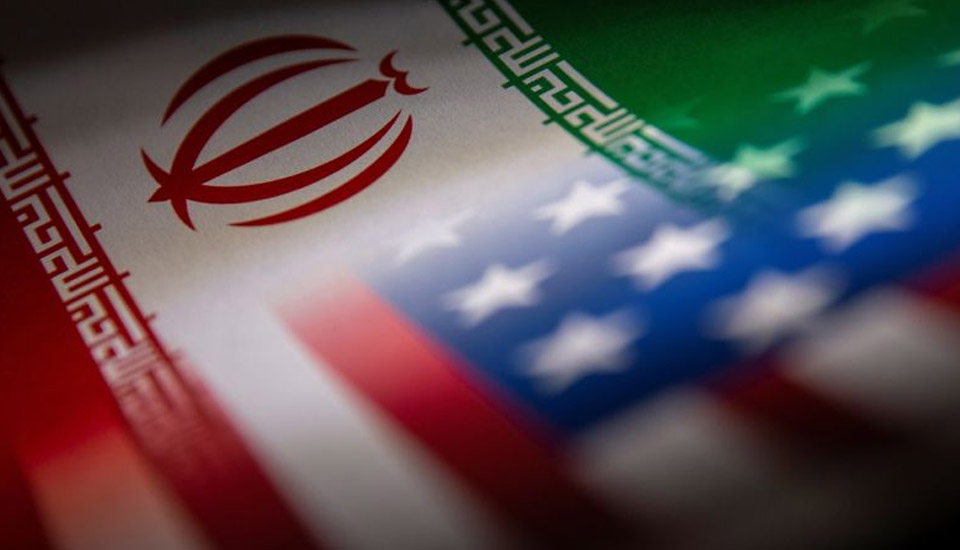
Uncertainty surrounded the longevity of a temporary ceasefire between the U.S. and Iran on Monday, following a U.S. seizure of an Iranian-flagged vessel.
A two-week halt to hostilities is set to expire later this week, with U.S. President Donald Trump saying that envoys from Washington will be arriving for a new round of peace talks with Iran in Pakistan.
However, Iran has rejected participation in a second round of talks with the U.S., citing what it described as Washington’s “excessive demands” and shifting positions, state news agency IRNA reported.
Tehran said its decision was driven by “unrealistic expectations,” “constant shifts in stance,” and “repeated contradictions” from the U.S., as well as an ongoing naval blockade, which it considers a violation of the ceasefire. Axios also reported that Iran suspects the U.S. is preparing a surprise attack.
According to Reuters, Trump told Pakistan’s army chief Asim Munir that he would consider Munir’s advice that the U.S. blockade was presenting a hurdle to negotiations with Iran. The two spoke on the phone, a Pakistani security source told the news agency.
U.S. seizes Iranian vessel
On Sunday, Trump said a U.S. warship had seized an Iranian cargo ship after it tried to get past an ongoing U.S. blockade of Iran’s ports and coasts.
“Today, an Iranian-flagged cargo ship named TOUSKA, nearly 900 feet long and weighing almost as much as an aircraft carrier, tried to get past our Naval Blockade, and it did not go well for them,” Trump stated. “The U.S. Navy Guided Missile Destroyer USS SPRUANCE intercepted the TOUSKA in the Gulf of Oman, and gave them fair warning to stop. The Iranian crew refused to listen, so our Navy ship stopped them right in their tracks by blowing a hole in the engineroom.”
The president added that U.S. Marines have custody of the vessel, which is under U.S. sanctions because of prior illegal activity.
Following the latest escalation, Iran’s Ambassador to Pakistan, Reza Amiri Moghadam, argued that the actions show the U.S. is not pursuing “diplomacy.”
“You cannot keep violating the international law, double down on your blockade, threaten Iran with further war crimes, insist on unreasonable demands, pace out with rethorics and pretend to be pursuing ’Diplomacy,’” Moghadam said in a post on X. “As long as the naval blockade remains, faultlines remain.”
Iran’s deputy foreign minister, Saeed Khatibzadeh, also told reporters on Saturday that there was no set date for the next round of negotiations between his country and the United States. He cautioned that the two sides must first agree on a framework of understanding before talks resume.
Speaking on the sidelines of a diplomacy forum in Antalya, Turkey, Khatibzadeh told reporters that the two sides are “now focusing on finalising the framework of understanding between the two sides. We don’t want to enter into any negotiation or meeting which is doomed to fail and which can be a pretext for another round of escalation.”
The developments marked a reversal from optimism around the trajectory of the war late last week, which had been fueled by claims from Trump and Iran’s foreign minister that the Strait of Hormuz — a vital chokepoint for a fifth of the world’s oil — had been reopened to tanker traffic. However, Iran has declared that the Strait of Hormuz is once again closed.
In financial markets, oil prices climbed on Monday, after having slumped sharply last week on hopes for a resumption of flows through the strait and an imminent peace agreement.
“After a large selloff on Friday, energy markets are stronger this morning as tensions in the Persian Gulf build once again,” analysts at ING said in a note.
Trump described as a “creative negotiator”
Still, U.S. Energy Secretary Chris Wright has suggested that Washington is “not too far away from a deal” with Iran, signaling optimism even as tensions remain elevated.
Speaking on Fox News on Sunday, Wright said talks with Tehran were ongoing and progressing better than public messaging might suggest. “There are negotiations with the Iranians going on, despite what you hear in the chatter in public, I think those are actually going well,” he said.
Wright described Trump as “a creative negotiator” who applies pressure and uncertainty as part of his strategy.
“I think we’ll have a nice end of this conflict,” Wright said, adding that the resumption of shipping through the Strait of Hormuz would take some time, “but probably not too much time” once the passage is reopened.