What does the Chinese-style modernization proposed by Xi mean?
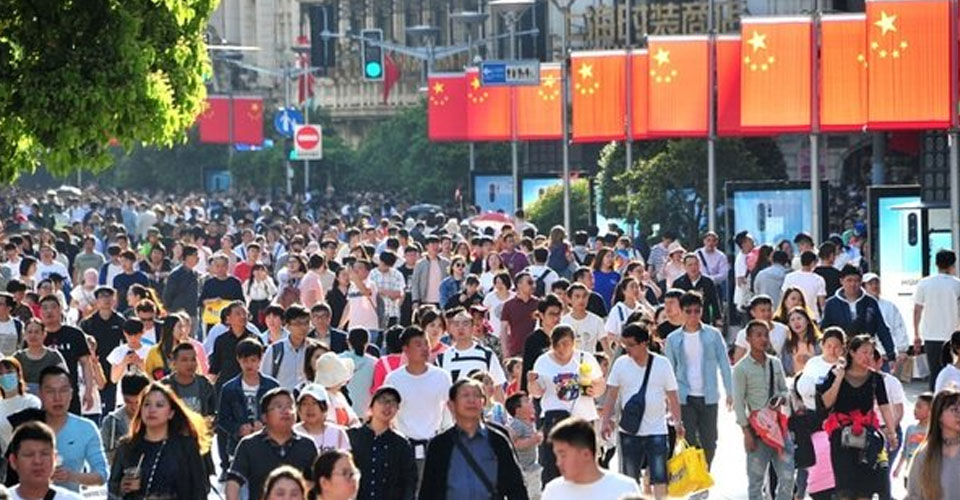
For me, it can be defined by at least three most obvious characteristics. First, China’s large population. No country with such a huge population like China ever realized modernization in the western sense. The modernization process of the British Empire did not work this way, since its modernization came at the cost of its colonies. The one taking place in the U.S. did not have this issue, as the U.S. still owns a smaller population than China and one could argue its success largely came at the cost of millions of others – indigenous people and people coming to the new continent through slavery trade, traditional European powers, including its “predecessor” the UK, and later, its main rival the Soviet Union and its main ally, Japan. Understandably, one would presume that who knows who would lose during the modernization of China, and by how much – just look at its population. Indeed, the concerns of China threat would be valid, if China rose exactly like how the UK and the U.S. did. The thing is, the top leadership of China also believes that would be untenable and unsustainable. A new kind of modernization is needed for such a large size of population.

Beijing, China.
Second, the traditional dilemma for any big country – the modernization process most of the time leads to inequalities within, which in history often led to disruptions of the modernization process and even worse disasters, considering the rise of Nazi in Germany, which is essentially about the inner dysfunctions of Germany in the early 20th century. The only successful exception for big countries going modernized is the U.S (the British Empire does not count since it was not a single sovereign state in the modern sense), which makes American exceptionalism popular and deserves a long essay to explain. Can China just copy the American way? Well, China tried several times in the past one hundred years, tried to learn the American way on different levels, but found it insufficient to address the Chinese issues, if not completely unfit. It was natural that China had to search for a new path.
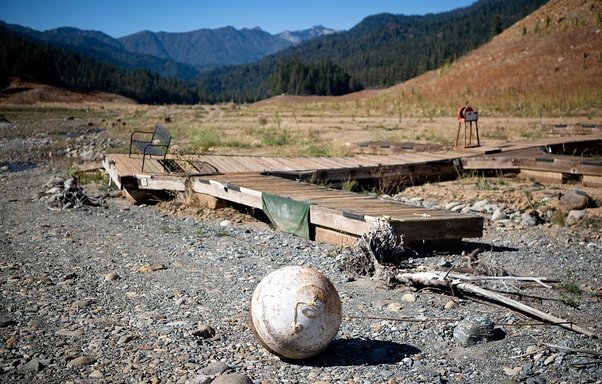
A lake in California, U.S. dried up due to severe drought.
Third, and a rather common new topic for the entire mankind, which is climate change. Some argue the mother earth and its environment cannot take it if every Chinese person lives like an American. Although most of the time this argument is used as an evidence to show the absurdity of the China threat theory, it does have its validity and the Chinese leadership knows it. They know how critical it is for China to modernize in a greener way, a more sustainable way, if their children or their children’s children still want to enjoy what they have now.
It is complicated to explain modernization or modernity. But one thing is for sure – most of the theoretical systems related to these concepts are built on the western discourse. Most of the discussions are centered on the history of industrial revolutions, particularly the one initiated in the UK and the one the U.S took the lead. Does the existing theoretical explanatory system for these concepts not work anymore, so China felt the need to propose an alternative one? Not exactly. But its limitations are evident. Hence, the proposal of this indigenous approach of Chinese modernization is relevant to the times and it does have the potential to present a new path towards the kind of modernization that does not lead to conflict, inequality and environmental disasters.